
Track Star - Team Manager Idle
Gryphon GamesSports
4.212.00 Reviews
- Version
- 1.2.0
- Installs
- 50.00K
- Age Rating
- Everyone
Screenshots
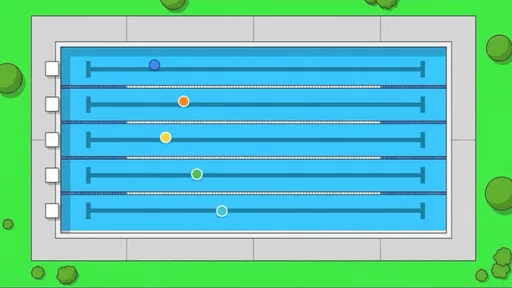

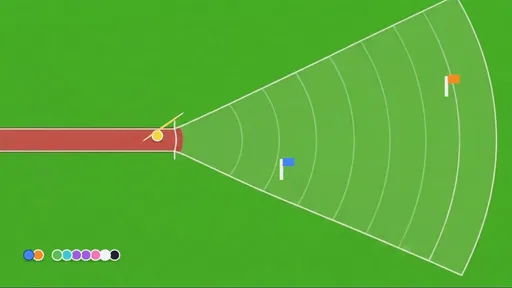
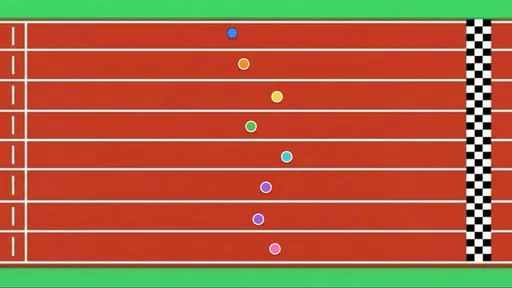
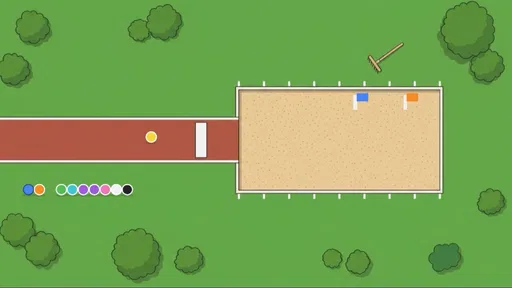
Our Review of Track Star - Team Manager Idle
 Analysis by Appyee
Track Star - Team Manager Idle is a sports management game with a pleasantly focused idea: build a group of athletes, improve them over time, and chase better results across six track and field events. I found it most enjoyable when I treated it as a short-session strategy game rather than a detailed simulation. It gives me enough decisions to make a training plan feel personal, while keeping the pace light enough for a quick break.
That balance is also the reason I would not recommend it to everyone. Players looking for realistic race tactics, deep statistics, or direct control during competitions may find it too simplified. For someone who likes watching a team gradually become stronger and making small management choices without committing to a long play session, though, this free sports game has a clear appeal.
How the team-building loop feels in practice
The central routine is easy to understand. I coach athletes, invest in upgrades, and return to competition with the aim of earning better results. The six-event structure gives the game a useful sense of direction: instead of managing an abstract roster with no identity, I am always thinking about which areas deserve attention and how improvements might affect the next attempt at winning gold.
What makes the loop work is its modest scale. I do not need to learn a complicated rulebook before making a useful decision. The game presents a straightforward sports fantasy: start with developing competitors, strengthen the squad, and gradually turn progress into medals. That simplicity makes it approachable for people who normally avoid management games because they feel overloaded with menus and numbers.
At the same time, the six events create an important trade-off. A player can spread upgrades across the whole team, producing a more balanced group, or concentrate resources where the biggest improvement seems likely. I prefer making a basic priority list before spending anything. If I upgrade whatever is immediately available, progress feels less deliberate. If I decide which events matter most to my current goal, each improvement feels connected to a plan.
This is one of the more useful ways to approach an idle sports game: do not think of every upgrade as equally valuable. A stronger athlete in one event may help more than several small improvements scattered across the roster. I found that pausing briefly to consider the next competition made the management side more satisfying than simply tapping through every available enhancement.
Why the six-event format matters
Six events are enough to provide variety without making the roster impossible to understand. The format encourages me to notice where my team is underperforming and to decide whether that weakness deserves immediate attention. It also reduces the feeling that I am repeating exactly the same task every time I return.
Still, variety should not be confused with deep specialization. The game gives me a broad track and field setting, but it is not trying to replace a full coaching simulator. I would describe the events as different targets for progression rather than six completely separate games. That distinction matters if you are comparing it with a statistics-heavy sports management title.
My practical advice is to use the event selection as a planning tool. When I have only a short amount of time, I focus on the event that best matches my current upgrade path instead of trying to improve everything. This makes the short sessions feel productive and prevents the team from becoming a collection of unrelated investments.
Idle progression is convenient, but it changes the challenge
The idle structure makes the game easy to fit around ordinary routines. I can check in during a coffee break, after finishing a task, or while waiting for public transport. It does not demand the uninterrupted attention of a race-focused action game, and that is a genuine strength for casual players.
However, idle progression also means that some satisfaction comes from returning to collect the results of earlier decisions rather than from mastering moment-to-moment controls. The excitement is quieter. I am watching a plan mature, not personally steering an athlete through every movement. Players who enjoy active timing, reflexes, or live competition should know that this is a management experience first.
The best everyday use case is a player who likes a small routine. I might open the game in the morning, review how the team has developed, choose a sensible upgrade, and leave it until later. In the evening, I can check the outcome and adjust the next priority. That rhythm works well because each visit has a purpose without requiring a long commitment.
A less suitable scenario is a long gaming session in which I expect constant discovery. Once I have made the available decisions, the idle format can feel slower than a traditional sports game. I would choose an action-oriented alternative when I want immediate involvement, and a full management simulator when I want detailed planning over many layers.
Upgrading without wasting the sense of progress
The upgrade system is most rewarding when I connect spending to a specific weakness. I try not to treat every available improvement as an automatic purchase. Instead, I look at the broader shape of the team and ask whether the next investment will improve a likely medal opportunity or simply make a number look larger.
This approach also helps with a common problem in progression games: the temptation to spend resources as soon as they appear. Saving for a more meaningful improvement can sometimes be better than making several minor changes. I cannot promise that this will always be the mathematically perfect choice, but it gives the game a clearer strategic texture and makes my decisions feel less automatic.
Another useful habit is to separate short-term and long-term goals. A short-term goal might be improving one event enough to compete more effectively. A long-term goal is building a team that is not dependent on a single strength. Switching between those goals keeps the roster from becoming too narrow while still allowing focused progress.
The downside is that the simplicity leaves less room for advanced coaching theory. I do not approach this as a game about analyzing every athlete’s personality, creating elaborate training calendars, or adjusting tactics minute by minute. Its appeal comes from readable choices, not from exhaustive detail.
Free to start, with purchases worth considering carefully
Track Star - Team Manager Idle is free to download and play, which makes it easy to try without an upfront commitment. The game includes optional in-app purchases ranging from $0.99 to $99.99 per item. That wide range is important to keep in mind before getting invested, especially if you are prone to treating a temporary slowdown as a reason to spend.
My recommendation is to decide on a personal limit before making any purchase. The game is better approached as a patient progression experience, not as something that must be accelerated whenever progress feels less immediate. If you enjoy checking in regularly and allowing development to unfold, the free starting point should be enough to judge whether the core loop suits you.
For younger players, the Everyone content rating makes the game broadly approachable, but family members should still be aware that optional purchases exist. A simple device-level purchase restriction is sensible for shared phones and tablets. That is not a criticism unique to this game; it is basic good practice whenever a free title offers paid items.
The purchase structure also affects how I evaluate the game’s pacing. I pay attention to whether I am making meaningful coaching decisions or merely waiting for the next opportunity to speed things up. When I focus on training priorities rather than acceleration, the experience feels more like management. When the main temptation becomes reducing waiting, the strategy layer feels less important.
What makes it approachable for casual sports fans
The strongest feature is clarity. I can understand the fantasy quickly: manage athletes, improve the squad, and compete across track and field events. I do not need specialist knowledge of athletics to begin making decisions, and the game does not require me to memorize complex controls.
That makes it a good choice for someone who enjoys sports themes but does not necessarily want a realistic recreation of a professional season. It also suits players who like incremental progress, especially those who enjoy opening a game several times a day for brief checks rather than sitting down for a single extended campaign.
The developer, Gryphon Games, has kept the concept focused enough that the game’s identity is easy to recognize. It is not trying to become a universal sports package. The emphasis stays on team improvement and the satisfaction of turning training into better results.
I also like that the event count gives new players a manageable mental map. A larger roster of disciplines could sound more impressive, but it might make early choices less meaningful. Here, I can actually remember which parts of the team need attention and form a simple plan without maintaining notes outside the game.
Where experienced management players may want more
The same accessibility that helps newcomers can limit experienced players. If you want detailed scouting, complex contracts, rich tactical preparation, or a highly realistic athletics calendar, this is probably not the right destination. The game’s management layer is intentionally compact, and its pleasure comes from making a few understandable choices rather than controlling every professional detail.
I would also skip it if your main reason for playing sports games is direct competition. There is a difference between coaching a roster toward better outcomes and personally performing in an event. This game belongs firmly on the coaching and progression side of that divide.
Another limitation is the risk of routine. Idle games depend on the player enjoying repetition with gradual variation. If the basic cycle of checking progress, choosing an upgrade, and returning later does not appeal to you, the six-event setting may not be enough to maintain interest. In that case, a traditional racing game or a more demanding management title would offer stronger moment-to-moment engagement.
Even for players who like idle games, I would recommend keeping expectations realistic. The game can provide a satisfying sense of growth, but I would not buy into it expecting a complex simulation hidden beneath a simple interface. Its value is in the accessible loop, not in uncovering a large number of secret systems.
Performance expectations and choosing the right device
The current version is 1.2.0, and the minimum operating system is Android or iOS version 12. That requirement means older devices may not be suitable, even though the game itself is designed around a relatively simple management concept. Before installing, I would check the operating system on the phone or tablet I plan to use.
The game is especially comfortable on a device that I can pick up frequently. A phone works naturally because the sessions are easy to fit into small gaps, while a tablet may be preferable for anyone who likes seeing the team and its progression in a larger layout. The important point is not screen size but access: this is a game I would keep available for repeated short visits.
Its audience size also suggests that it has already attracted a meaningful group of players. The game has more than fifty thousand installs and an average rating of 4.2 from around three hundred ratings. I treat those figures as a useful signal of interest rather than a guarantee that every player will enjoy the same pace. The rating supports the idea that the core loop works for many casual users, while the smaller review volume means I would still make my own judgment after trying it.
Because the title is free to start, that trial is straightforward. I would play long enough to see whether planning upgrades feels satisfying before considering any optional spending. That is a better test than judging it from the sports theme alone.
Who should download it first
I would point this game toward casual sports fans, idle-game players, and anyone who enjoys building progress through small management decisions. It is a particularly good match for someone who wants a sports setting without the pressure of real-time control. The six-event structure offers enough focus to create priorities, while the upgrade loop gives repeated visits a clear reason.
It can also work for players who are new to management games. I would begin by concentrating on one or two events, learning how the team’s development feels, and only then trying to balance the wider roster. That gradual approach is less confusing than attempting to optimize every area immediately.
I would steer serious simulation fans elsewhere. If your ideal sports game includes deep financial planning, detailed athlete attributes, complex competition schedules, or hands-on event control, this title will likely feel too light. Likewise, players who dislike idle mechanics should not expect the track and field theme to transform the experience into an action game.
For families, the Everyone rating makes the subject matter approachable, but the presence of optional purchases means adults should set sensible boundaries on shared devices. The game can be a harmless casual pastime, provided the purchase side is treated deliberately rather than as an automatic part of progression.
My final view after weighing the trade-offs
Track Star - Team Manager Idle succeeds because it understands its scale. It gives me a compact sports-management routine built around athletes, upgrades, and six events, then lets idle progression carry the team forward between visits. I enjoy it most when I want a low-pressure game with a clear goal and enough choice to make improvement feel earned.
Its weakness is equally clear: the experience may become too repetitive or too shallow for players who want a full athletics simulation. The optional purchase range also means I would approach spending with care, particularly if a slower stretch encourages me to accelerate progress. Those are meaningful limitations, not minor details, but they do not undermine the game’s intended audience.
My verdict is positive with a specific condition: choose it for relaxed team building, not realistic sports control. The free entry point makes it easy to test, and the approachable structure suits short daily sessions. If that rhythm sounds appealing, Gryphon Games’ title is worth a try. If you want tactical depth, live competition, or a more demanding career simulation, your time will be better spent with another kind of sports game.
For me, the best way to play is patiently: identify the event that deserves attention, avoid spending automatically, and let the roster develop through regular check-ins. That simple workflow brings out the game’s strongest quality. It turns a small number of coaching decisions into a satisfying sense of direction, without pretending to be more complex than it is.
Verdict
Strengths of Track Star - Team Manager Idle
- Simple idle mechanics make progress easy to understand.
- Team management adds strategy beyond basic tapping.
- Short play sessions suit casual mobile gaming.
- Unlockable upgrades provide a steady sense of progression.
- Bright visuals and clear menus are easy to navigate.
Limitations of Track Star - Team Manager Idle
- Offline earnings may feel limited compared with active play.
- Progress can become repetitive after the initial stages.
- Higher upgrades may require considerable time or resources.
- The game may rely heavily on ads for faster rewards.
- Limited interaction may disappoint players seeking real-time racing.
Other Releases by Gryphon Games
View All
Planet Crusher: Mine & Attack
Arcade3.9

Race Star - Team Manager Game
Racing4.0

Sport Star - Team Manager Game
Sports4.3

Fight Star - Team Manager Idle
Sports4.1
Similar Picks in This Category
View All
8 Ball Pool
Miniclip.com4.8

Pooking - Billiards City
AIM TOP GAME TECHNOLOGY LIMITED - pool4.6

Carrom Pool: Disc Game
Miniclip.com4.4

EA SPORTS FC Soccer Mobile 26
ELECTRONIC ARTS4.6

World Soccer League
mobirix4.3

Soccer Cup 2026: Football Game
INLOGIC SPORTS - football tennis golf soccer4.3
Frequently Asked Questions
What is Track Star - Team Manager Idle?
Track Star - Team Manager Idle is a casual management game focused on building and developing a successful racing team. You recruit and improve athletes, manage training, upgrade facilities, and compete in events to earn rewards. Its idle mechanics allow progress to continue while you are away, making it suitable for players who enjoy light strategy without constant gameplay.
How does the idle progression system work?
The game continues generating certain rewards and progress automatically, even when you are not actively playing. When you return, you can collect earnings, reinvest them into training or team improvements, and prepare for more demanding competitions. However, active participation is still useful because selecting upgrades, managing resources, and making timely decisions can noticeably improve your team’s performance.
Does Track Star - Team Manager Idle require an internet connection?
An internet connection may be needed for features such as advertisements, cloud-related services, special events, updates, and purchases. Some basic gameplay may remain available offline, but availability can vary according to the version and device. For the most reliable experience, it is best to launch the game online, especially after installing an update or changing devices.
Is Track Star - Team Manager Idle free to download and play?
The game can generally be downloaded and played without an upfront purchase, allowing you to experience its main management and racing systems for free. Like many idle games, it may include optional in-app purchases and advertisements that provide extra resources, convenience, or faster progress. Spending money is not necessarily required, but patient players may advance more slowly.
Is the game suitable for players who do not usually play management games?
Yes. Track Star - Team Manager Idle is designed around accessible menus, gradual upgrades, and straightforward objectives rather than complicated simulations. New players can learn the main systems by following the early progression and completing guided tasks. More experienced users may enjoy optimizing training, spending resources efficiently, and choosing improvements that help the team perform better over time.
Play our best games!


